
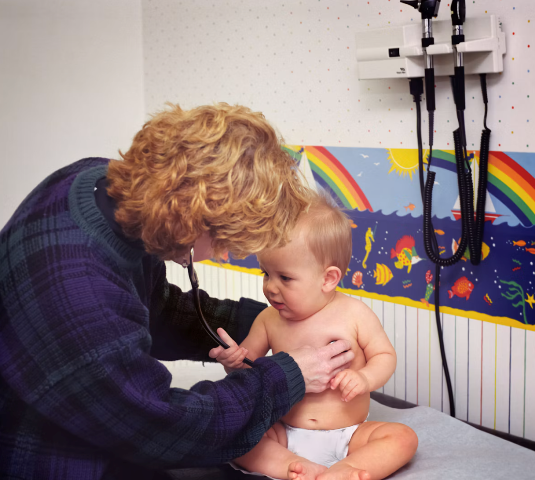

The word “occupation” usually brings to mind a career, so occupational therapy can sound like it is only about work. In paediatrics it means something quite different. A child’s occupations are the things that fill their days, such as getting dressed, eating lunch, joining in a game or finding their way through a school morning. Seeing the role through that lens makes it much clearer what an occupational therapist is actually looking at.
What “Occupation” Means for a Child
Occupational therapists help children and teenagers take part in the everyday things they want or need to do, according to the Raising Children Network, the Australian parenting website. That includes looking after themselves, taking part in home, preschool, school and community activities, and joining in play and leisure.
A children’s hospital in Melbourne describes the same ground in three broad areas, which are self-care, play and productivity. Put together, these three areas cover much of what a child does in a day.
The Small Tasks That Add Up
Most of what an occupational therapist considers is ordinary. Feeding themselves, dressing, washing and cleaning teeth are all on the list, and each one involves a surprising number of smaller skills. Doing up a button asks for finger control and patience. Putting on a school shirt means working out which way is the front. Sitting through a meal asks for a certain amount of settling and attention.
Play follows the same pattern. Joining a game at the park involves reading what other children are doing, managing a turn, coping with noise and moving the body in a coordinated way. A child can find one of these parts harder than the rest, and the difficulty is not always obvious from the outside.
For a parent who has noticed that a daily routine keeps turning into a struggle, the next step may be to find a paediatric OT Townsville and talk through what is getting in the way. Therapists can work in schools and preschools as well as clinics, so it is worth asking where sessions could take place and whether that suits the child and the family.
How the Work Usually Looks
Occupational therapists work with children in groups or individually, depending on their needs and goals. They aim to focus on a child’s strengths and to work in a family-centred way, which means taking the circumstances of the whole family into account and not only the child.
In practice, that often starts with looking at how a child manages the activities of daily life and what the child and family would like to be easier. From there, strategies, education, equipment or small changes to the home or school environment may be part of the plan, as the hospital’s description puts it. Because every child is different, the plan is shaped around the individual and not around a set routine.
Development is a wide field. Occupational therapists can help with many areas, including sensory processing, social interactions, play, and gross and fine motor skills. A single session may touch on more than one of these at once.
Getting Started
A GP referral is not needed to see an occupational therapist, though a GP or child and family health nurse can be a good place to start a conversation. Occupational therapists must also be registered with the Australian Health Practitioner Regulation Agency, which gives families a way to check a practitioner’s registration.
Before a first visit, a few notes are worth jotting down. What does the child find hard, and when does it happen? Which routines go smoothly? What would the child like to be able to do more easily? The goals a child wants to work on are an important part of the conversation.
Small Things Families Can Notice
Families do not need clinical language to describe what they see. Short, plain observations work well. A child may take a long time to get dressed on school mornings, avoid certain textures at mealtimes, or step back from group games. Noting when and where these things happen gives a therapist something real to work with.